
Television storytelling has changed dramatically over the past decades. What once consisted of simple, self-contained episodes designed for casual viewing has now evolved into complex, cinematic narratives that rival major films in quality and depth. This transformation has redefined what television can be and elevated it into one of the most powerful storytelling mediums in the world.
From early sitcoms and procedural dramas to today’s high-budget serialized shows, television has continuously adapted to audience expectations and technological advancements.
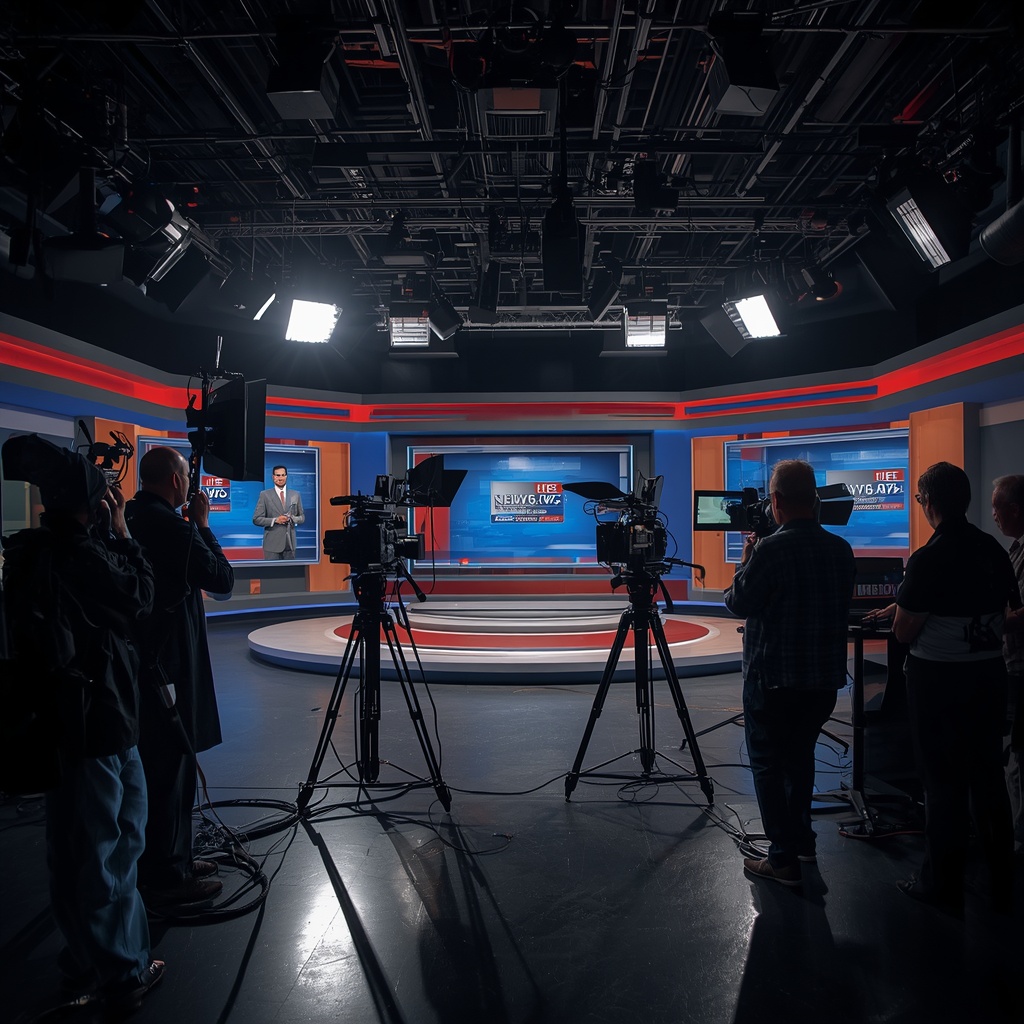
📡 The Era of Episodic Television
In its early days, television was built around episodic storytelling. Each episode typically told a complete story with a clear beginning, middle, and end. This format made it easy for viewers to watch any episode without needing prior knowledge of the show.
Classic series relied heavily on repetition, familiar characters, and predictable structures. While this approach was simple, it was also highly effective in building loyal audiences who tuned in regularly.
This era helped establish television as a household staple and created some of the most iconic shows in entertainment history.
🎭 The Shift to Serialized Narratives
Over time, television began to shift toward serialized storytelling. Instead of standalone episodes, shows started developing long-running story arcs that unfolded across entire seasons.
This change allowed for deeper character development, more complex plots, and greater emotional investment from viewers. Audiences were no longer just watching individual episodes—they were following continuous stories.
Series like those influenced by creators such as Vince Gilligan demonstrated how television could deliver intricate narratives with cinematic depth and long-term storytelling precision.
🎬 The Cinematic Television Revolution
One of the most significant changes in modern television is the rise of cinematic production quality. High-definition cameras, advanced visual effects, and film-style direction have transformed TV shows into visually stunning experiences.
Today’s television series often feature production values comparable to blockbuster films. Lighting, cinematography, and sound design are carefully crafted to create immersive storytelling environments.
This evolution has blurred the line between cinema and television, making it difficult to distinguish between the two in terms of quality and artistic ambition.
🧠 Character-Driven Storytelling
Modern television places a strong emphasis on character development. Unlike traditional formats where characters remained static, contemporary series allow characters to evolve significantly over time.
Viewers witness their growth, struggles, and transformations across multiple seasons. This long-form storytelling creates a deeper emotional connection between audiences and characters.
As a result, television has become a powerful medium for exploring human psychology, relationships, and moral complexity.
🌐 Streaming and Narrative Freedom
The rise of streaming platforms has given creators more freedom than ever before. Without strict broadcast schedules or episode time limits, writers can structure stories in more flexible and creative ways.
This freedom has led to the creation of unconventional narratives, slower pacing, and more experimental storytelling techniques. Entire seasons can now be released at once, allowing viewers to experience stories at their own pace.
Streaming has fundamentally changed how stories are written, produced, and consumed.
🎭 The Blurring Line Between Film and Television
Today, the distinction between film and television is increasingly blurred. Many actors, directors, and writers move freely between both mediums, bringing cinematic techniques into TV production.
High-profile talent that once focused exclusively on film now contributes to television projects, attracted by the creative freedom and long-form storytelling opportunities.
This shift has elevated television into a respected artistic medium that stands alongside cinema.
🎬 Conclusion
Television storytelling has undergone a remarkable transformation, evolving from simple episodic formats to complex cinematic narratives. This evolution has expanded the creative possibilities of the medium and redefined audience expectations.
As technology and storytelling techniques continue to advance, television will remain a dominant force in global entertainment—offering rich, immersive, and emotionally powerful stories for generations to come.