
In a world increasingly dominated by screens and digital entertainment, theater continues to hold a unique and irreplaceable place in the arts. It is one of the few remaining forms of storytelling that relies entirely on live human presence, creating a direct emotional connection between performers and audience. This immediacy gives theater its unmatched emotional power and lasting impact.
Unlike cinema or television, theater cannot be paused, edited, or replayed. It exists only in the moment it is performed, making each show a singular and unrepeatable experience.
🎬 The Magic of Presence
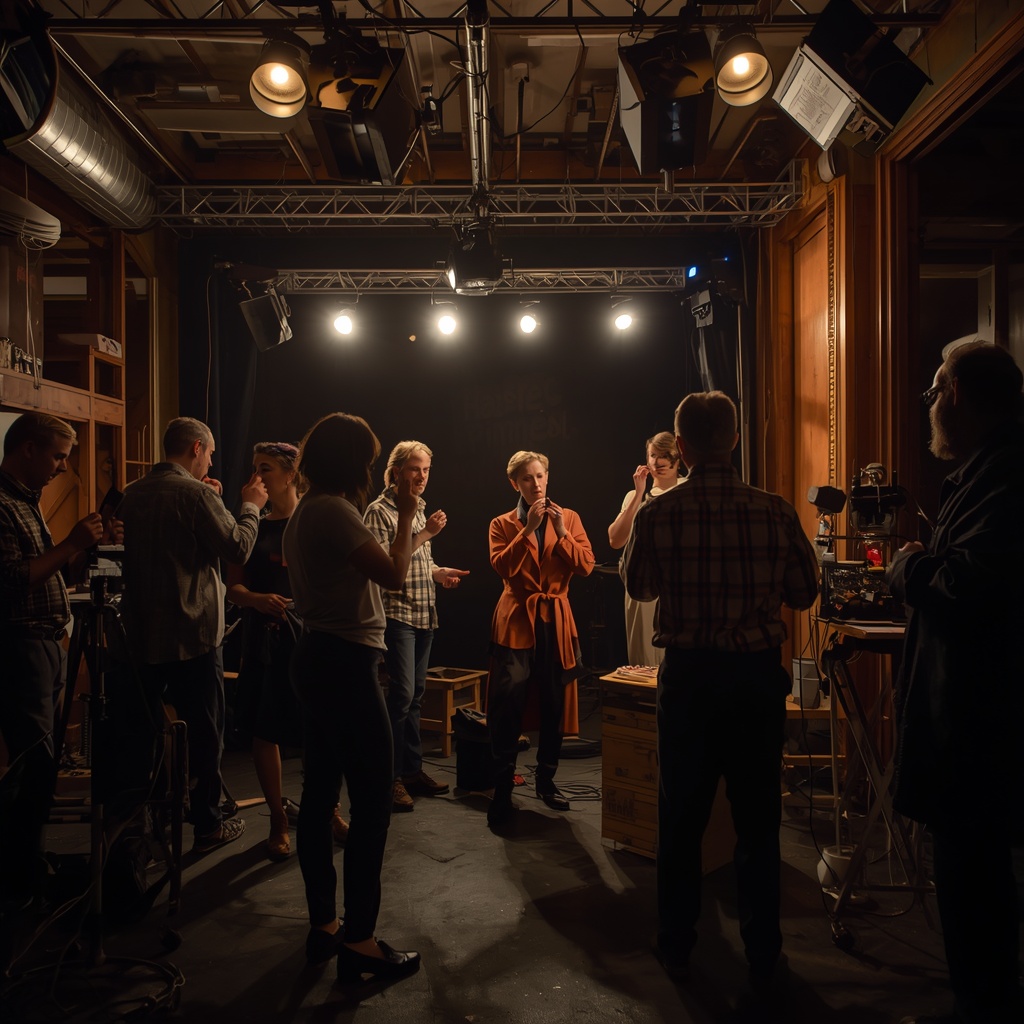
The essence of theater lies in presence. When actors step onto the stage, they are not just performing a role—they are sharing the same physical space and time as the audience. This shared experience creates a sense of intimacy that is difficult to achieve in any other art form.
Every performance is shaped by subtle variations: the energy of the actors, the reaction of the audience, and even unexpected moments that occur during the show. These elements make each performance alive and unpredictable.
This is what makes theater feel authentic—it is real people, in real time, telling real stories.
🎭 Human Emotion Without Filters
Theater is one of the purest forms of emotional expression. Without the aid of camera angles, editing, or special effects, actors must rely entirely on their voice, body language, and emotional depth.
This raw performance style allows audiences to witness emotion in its most direct form. Joy, sorrow, anger, fear, and love are all expressed openly on stage, often creating a powerful emotional response in the viewer.
Actors such as Laurence Olivier and Meryl Streep have been celebrated for their ability to bring intense emotional realism to their performances, influencing generations of stage and screen actors.
🎭 The Role of the Audience
In theater, the audience is not passive. Their reactions—laughter, silence, applause—become part of the performance itself. This interaction creates a feedback loop between stage and seats, making the experience more dynamic and engaging.
A live audience can influence the rhythm and energy of a performance, encouraging actors and shaping the emotional tone of the show. This shared responsibility makes theater a truly communal art form.
🏛️ Simplicity and Imagination
Unlike film, which often relies on realistic visuals and elaborate effects, theater thrives on imagination. A simple stage can represent an entire world, with minimal props and lighting guiding the audience’s perception.
This simplicity encourages viewers to actively participate in the storytelling process. The audience is invited to imagine, interpret, and emotionally engage with what is happening on stage.
🌍 Theater in a Digital Age
Despite the rise of digital entertainment, theater continues to thrive. Many productions now combine traditional stagecraft with modern technology, including projections, sound design, and multimedia elements.
However, even in this evolving landscape, the core of theater remains unchanged: live human connection. No matter how advanced technology becomes, it cannot replace the emotional immediacy of live performance.
🎬 Conclusion
Theater remains one of the most powerful forms of artistic expression because it is alive, immediate, and deeply human. It connects performers and audiences in a shared emotional journey that cannot be replicated elsewhere.
In a fast-paced digital world, theater reminds us of the importance of presence, empathy, and human connection. It is not just an art form—it is an experience that lives in the moment and stays in the memory long after the curtain falls.