
Theater is one of the oldest forms of storytelling in human history, predating cinema and television by centuries. It is a living art form where performers and audiences share the same space, creating a unique and unrepeatable experience every time a play is performed. Unlike recorded media, theater exists in the present moment—raw, immediate, and deeply human.
From ancient rituals and classical tragedies to modern experimental performances, theater has continuously evolved while preserving its core essence: the power of live storytelling.
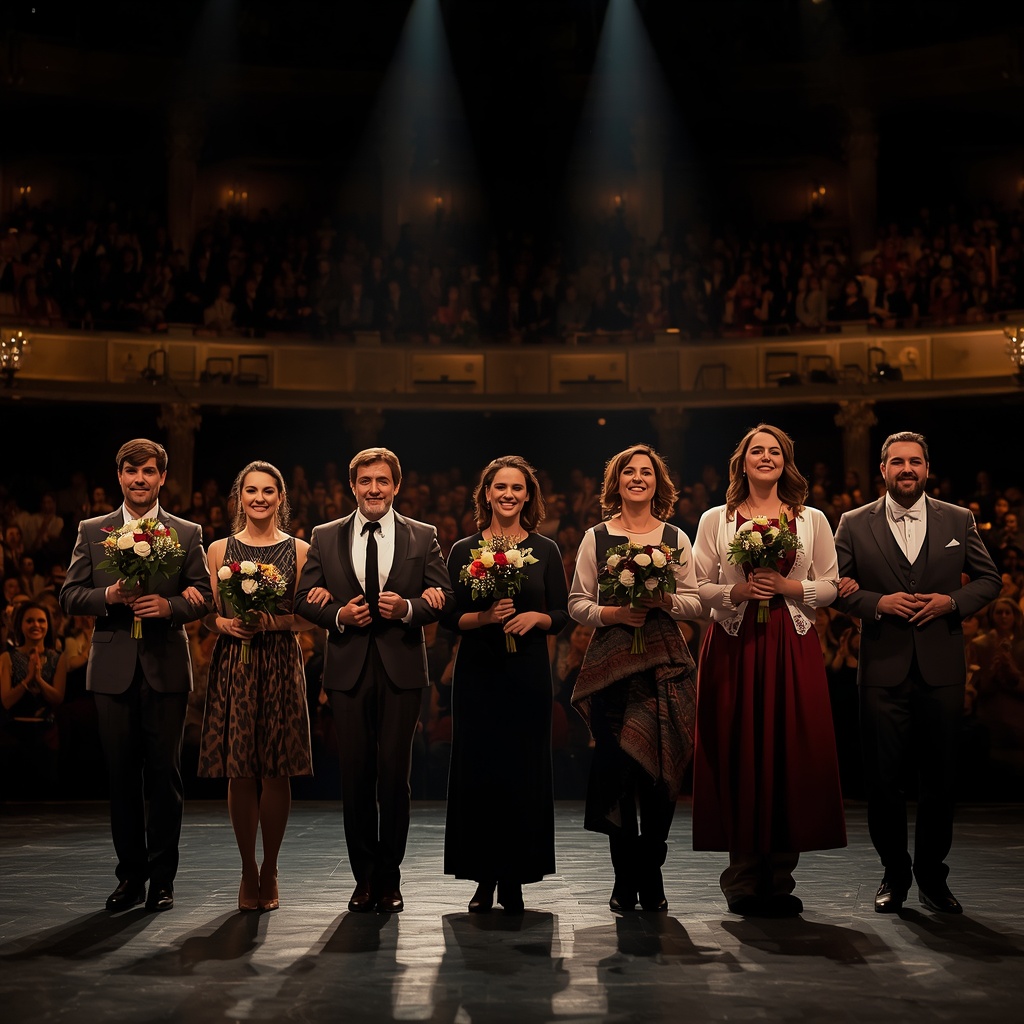
🏛️ The Origins of Theater
The roots of theater can be traced back to ancient civilizations, particularly in Greece, where dramatic arts were developed as part of religious festivals. Playwrights such as Sophocles and Aristophanes helped shape the foundations of drama through tragedies and comedies that explored human nature, politics, and morality.
These early performances were held in open-air amphitheaters and often addressed universal themes such as fate, justice, and human suffering—topics that remain relevant in modern theater today.
🎬 The Unique Nature of Live Performance
What makes theater truly special is its live nature. Every performance is slightly different, shaped by the energy of the actors, the reactions of the audience, and the atmosphere of the moment.
Unlike film, where scenes are edited and perfected, theater embraces imperfection. A missed line, an unexpected reaction, or a spontaneous moment can become part of the experience, making each show truly one of a kind.
This direct connection between performers and audience creates a powerful emotional bond that is difficult to replicate in other art forms.
🎭 Acting and Emotional Expression
Theater demands a high level of skill from actors. Without the help of camera close-ups or editing, performers must rely on voice projection, body language, and precise timing to convey emotion effectively.
Stage actors often undergo rigorous training to master their craft, learning how to express subtle emotions while still reaching the entire audience, even those seated far from the stage.
Great theater performances can leave a lasting emotional impact, as audiences witness raw and authentic human expression unfolding in real time.
🏛️ Stage Design and Visual Storytelling
Set design, lighting, and costumes play a crucial role in theater production. Since the stage is the only visual frame, every element must be carefully designed to support the story and guide the audience’s imagination.
Lighting, in particular, is used to create mood, highlight key moments, and shift emotional tone. Minimalist or elaborate sets can both be effective depending on the vision of the director.
Together, these elements transform a simple stage into a fully immersive world.
🎭 Modern Theater and Innovation
Modern theater continues to evolve, blending traditional techniques with new technologies and creative approaches. Experimental theater often breaks conventional storytelling rules, using abstract visuals, interactive performances, and multimedia elements.
Contemporary playwrights and directors explore themes such as identity, politics, mental health, and social change, making theater a powerful platform for reflection and dialogue.
Despite technological advancements, the essence of theater remains unchanged: the connection between performer and audience in a shared physical space.
🌍 Theater as a Cultural Mirror
Theater has always reflected society. It captures cultural values, social struggles, and historical moments, allowing audiences to see themselves and their world through performance.
From Shakespearean drama to modern stage productions, theater continues to challenge audiences, provoke thought, and inspire discussion about important issues.
🎬 Conclusion
Theater remains one of the most powerful and intimate forms of storytelling. Its ability to bring people together in a shared moment of emotion and imagination makes it unique in the world of arts.
As it continues to evolve, theater preserves its timeless essence: the human desire to tell stories, connect with others, and experience life through performance.