
Modern theater stands at a fascinating crossroads between centuries-old traditions and constantly evolving creative innovation. While it continues to preserve its classical roots in storytelling and live performance, it also embraces new forms, technologies, and experimental approaches that redefine what theater can be in the 21st century.
Today’s stage is no longer limited to traditional proscenium theaters; it has expanded into immersive spaces, digital environments, and even public locations, making theater more accessible and diverse than ever before.
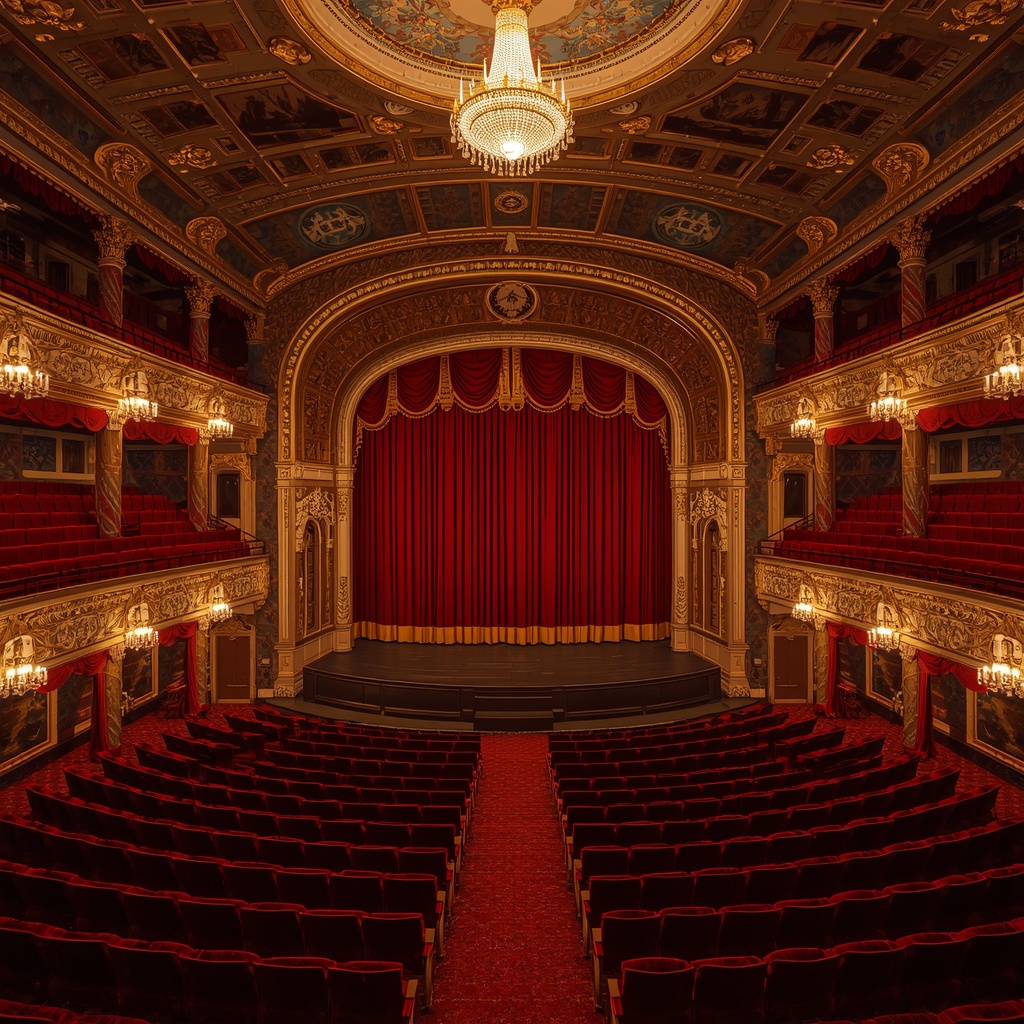
🏛️ The Legacy of Classical Theater
Modern theater is deeply influenced by its classical foundations. The works of playwrights such as William Shakespeare continue to shape contemporary drama through their timeless exploration of human nature, power, love, and tragedy.
Classical theater established key principles of storytelling, including structured plots, character development, and thematic depth. These elements remain essential in modern productions, even as styles and formats evolve.
Many contemporary plays still draw inspiration from ancient Greek drama and Elizabethan theater, proving that the core language of stage performance remains universal across time.
🎬 New Forms of Storytelling
One of the most significant developments in modern theater is the emergence of experimental and non-linear storytelling. Unlike traditional plays with clear beginnings, middles, and endings, modern productions often challenge narrative structure.
Some performances blend multiple timelines, abstract dialogue, or symbolic staging to create a more interpretive experience for the audience. This allows theater to become not just a story to watch, but an experience to analyze and feel.
Directors and playwrights now have greater freedom to break conventions and explore new artistic expressions.
🎭 Technology on Stage
Technology has become an increasingly important part of modern theater. Lighting design, digital projections, sound systems, and even augmented reality are now used to enhance live performances.
These tools allow creators to build more dynamic and visually stunning environments, transforming the stage into a flexible and immersive space. However, despite these innovations, the human presence of live actors remains at the center of the experience.
The balance between technology and live performance is one of the defining characteristics of contemporary theater.
🌍 Globalization and Cultural Exchange
Modern theater is no longer confined to a single culture or region. Thanks to globalization, theatrical productions now travel across countries and continents, allowing for rich cultural exchange.
International festivals and collaborations bring together artists from diverse backgrounds, resulting in unique hybrid performances that combine different traditions and storytelling styles.
This global interaction has enriched theater, making it more inclusive and representative of diverse voices and experiences.
🧠 Theater as a Platform for Social Dialogue
Contemporary theater often serves as a platform for discussing important social issues. Topics such as identity, politics, inequality, mental health, and environmental concerns are frequently explored on stage.
By presenting these themes in a live setting, theater encourages audiences to reflect deeply and engage emotionally with real-world problems.
Modern playwrights use the stage not only to entertain but also to provoke thought and inspire change.
🎬 Conclusion
Modern theater is a constantly evolving art form that honors its historical roots while embracing innovation and change. It combines tradition with experimentation, human emotion with technology, and storytelling with social commentary.
As it continues to grow, theater remains one of the most powerful artistic mediums, capable of connecting people, challenging ideas, and reflecting the complexity of the modern world.