
Podcasts have become deeply integrated into modern culture, influencing how people learn, communicate, and consume media. What started as a simple on-demand audio format has grown into a global storytelling platform that shapes opinions, builds communities, and reflects the diversity of today’s world. In many ways, podcasts have redefined what it means to be informed and entertained in the digital age.
Unlike traditional media, podcasts thrive on intimacy, flexibility, and authenticity, making them one of the most personal forms of modern communication.
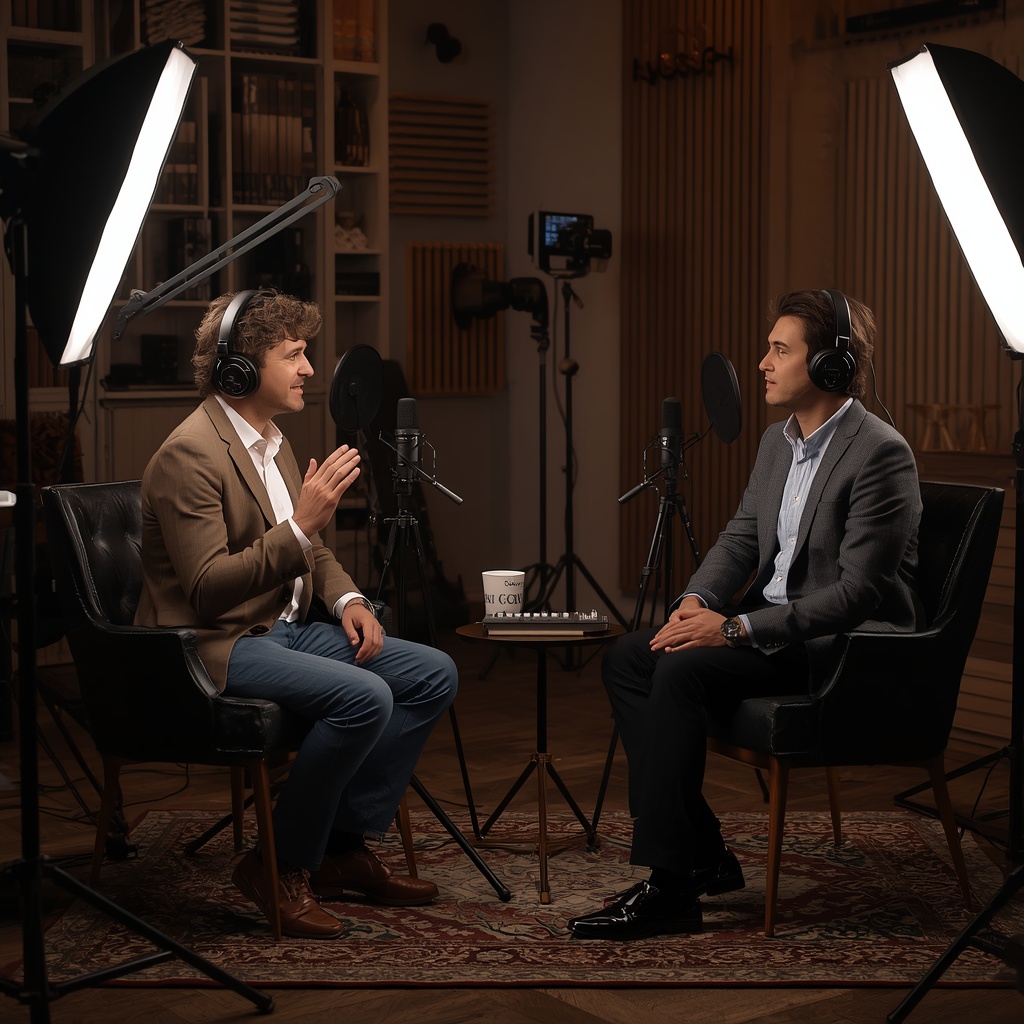
🌍 Podcasts as a Cultural Movement
Podcasts are no longer just a media format—they are a cultural movement. They allow individuals from different backgrounds to share their voices without the barriers of traditional broadcasting. This accessibility has led to an explosion of content covering every imaginable topic, from cinema and politics to science, history, and personal development.
Because of this diversity, podcasts reflect the real complexity of modern society. They give space to niche interests and underrepresented perspectives that often do not appear in mainstream media.
🎧 The Influence of Podcasts on Daily Life
Podcasts have changed how people integrate media into their daily routines. Unlike television or video content, podcasts can be consumed while multitasking—during commuting, exercising, working, or relaxing.
This convenience has made podcasts a constant companion in everyday life. Many listeners develop long-term habits, following specific hosts or shows regularly. This creates a strong sense of loyalty and routine that is unique to audio-based media.
🧠 Learning Through Conversation
One of the most powerful aspects of podcasts is their ability to educate through conversation. Instead of formal lectures or structured lessons, podcasts often use relaxed dialogue to explore complex topics in an accessible way.
Listeners can gain insights into psychology, science, art, and culture simply by listening to experts discuss their experiences and ideas. This informal learning style makes knowledge more engaging and easier to retain.
Creators like Tim Ferriss have helped popularize educational podcasts that focus on productivity, entrepreneurship, and personal growth.
🎬 Podcasts and the Entertainment Industry
The relationship between podcasts and the entertainment industry continues to grow stronger. Many actors, directors, and writers use podcasts to share behind-the-scenes stories, discuss creative processes, and connect with audiences in a more direct way.
Cinema and television-related podcasts have become especially popular, offering film analysis, reviews, and industry insights. These discussions deepen audience appreciation for storytelling and production.
In some cases, podcasts even serve as inspiration for new films or TV series, highlighting their creative influence across media formats.
🌐 Building Global Communities
Podcasts have a unique ability to create global communities around shared interests. Listeners from different countries can connect through the same show, despite cultural or geographic differences.
This sense of community is strengthened by social media, live recordings, and interactive content, allowing audiences to engage directly with creators and each other.
As a result, podcasts are not just passive listening experiences—they are participatory cultural spaces.
📱 The Role of Technology in Podcast Growth
Technology has played a major role in the expansion of podcasting. Streaming platforms, mobile apps, and recommendation algorithms have made it easier than ever to discover new content.
Artificial intelligence is also beginning to influence podcast production and distribution, from automatic transcription to personalized episode suggestions.
These innovations are making podcasts more accessible, organized, and user-friendly.
🎭 Authenticity and Human Connection
One of the key reasons podcasts continue to grow is their authenticity. Unlike heavily edited media, podcasts often feel natural and conversational. This creates a sense of trust between hosts and listeners.
The human voice carries emotion, tone, and personality in a way that other formats cannot fully replicate. This emotional depth is what makes podcasts feel personal and meaningful.
🎬 Conclusion
Podcasts have become a defining element of modern culture, reshaping how people communicate, learn, and connect. They represent a shift toward more personal, flexible, and authentic media experiences.
As the medium continues to evolve, podcasts will remain a powerful tool for storytelling and cultural exchange—bringing voices together from around the world in one shared audio space.