
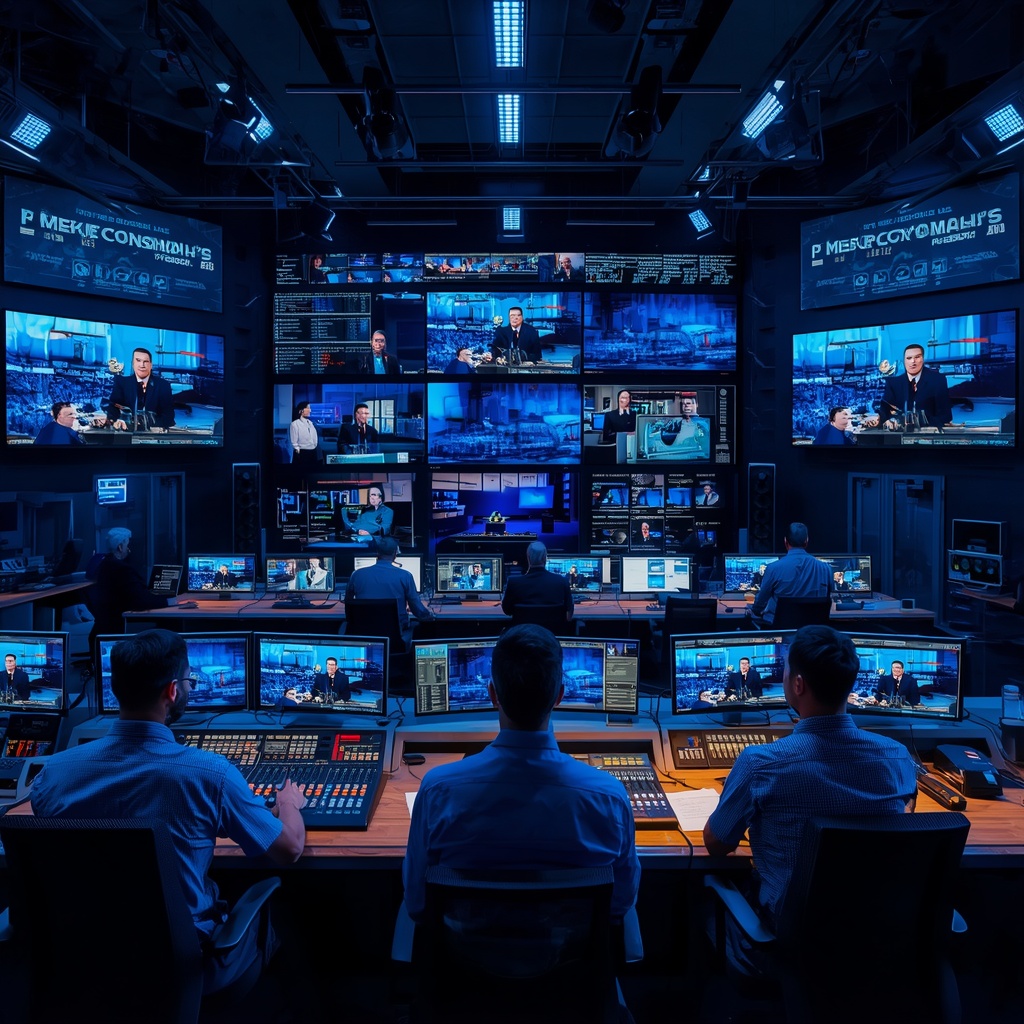
Television has entered a completely new era. What was once limited to scheduled broadcasts and a small number of channels has now become a vast, on-demand digital universe. The rise of streaming platforms has not only changed how people watch content, but also how it is created, distributed, and experienced.
Today, television is no longer tied to a physical screen in the living room—it exists on phones, tablets, laptops, and smart devices, making entertainment more accessible than ever before.
🌐 From Broadcast to On-Demand Viewing
For decades, traditional television followed a fixed schedule. Viewers had to tune in at specific times to watch their favorite shows, news programs, or live events. Missing an episode often meant waiting for a rerun.
The arrival of digital streaming completely changed this model. Platforms such as Netflix and Amazon Prime Video introduced on-demand viewing, allowing audiences to watch what they want, whenever they want. This shift gave viewers unprecedented control over their entertainment experience.
As a result, binge-watching became a global habit, changing the way stories are structured and consumed.
🎬 A New Era of Storytelling
Streaming platforms have also transformed how television shows are written and produced. Instead of relying on episodic formats designed for weekly broadcasts, many modern series now follow long-form storytelling with complex character development and continuous narratives.
This approach allows creators to build deeper emotional connections with audiences. Characters evolve over multiple episodes or even entire seasons, creating a more immersive experience.
Writers now have greater creative freedom, and shows can explore darker, more complex, or unconventional themes that traditional television often avoided.
🌍 Global Access to Content
One of the most significant impacts of digital television is global accessibility. Viewers can now watch content from different countries, cultures, and languages with just a few clicks.
This global exchange has introduced audiences to international productions, from Korean dramas to European crime series and Latin American storytelling. Subtitles and dubbing have made cross-cultural viewing easier than ever.
As a result, television has become a truly global medium, breaking down geographical barriers and connecting audiences worldwide.
🎭 The Rise of High-Quality TV Productions
In the past, television was often considered less prestigious than cinema. However, this perception has changed dramatically in recent years. High-quality TV series now feature cinematic production values, strong writing, and top-tier acting talent.
Actors such as Bryan Cranston and Elisabeth Moss have delivered performances in television series that rival or even surpass those in film.
This evolution has led to television being recognized as a serious artistic medium in its own right.
📱 The Role of Technology and Smart Devices
Modern television is deeply connected to technology. Smart TVs, mobile apps, and AI-driven recommendation systems have changed how viewers discover and consume content.
Algorithms analyze viewing habits to suggest personalized content, making the experience more tailored and engaging. This convenience has increased viewer engagement but also raised questions about content diversity and algorithmic influence.
🧠 Changing Viewer Habits
The way people watch television has changed significantly. Short attention spans, busy lifestyles, and mobile access have led to more flexible viewing habits. People now watch content in shorter sessions, on different devices, and often while multitasking.
This shift has influenced how content is designed, with creators focusing on stronger hooks, faster pacing, and more engaging openings to retain viewer attention.
🎬 Challenges of the Streaming Era
Despite its many advantages, the digital television era also faces challenges. The overwhelming amount of content available can make it difficult for viewers to choose what to watch. Subscription fatigue is also becoming a growing issue, as audiences juggle multiple platforms.
Additionally, concerns about data privacy, algorithmic bias, and content overload continue to shape discussions about the future of digital television.
🌟 Conclusion
Television in the digital age has transformed into a flexible, global, and highly personalized form of entertainment. It has broken traditional boundaries, reshaped storytelling, and given audiences more control than ever before.
As technology continues to advance, television will keep evolving—but its purpose remains the same: to tell stories, connect people, and reflect the world we live in.